
Views: 285 Author: 广宇大 Publish Time: 2026-09-18 Origin: Site


Content Menu
● Introduction to Automatic Mist Sprayers
● Types of Automatic Mist Sprayers
>> Agricultural Pesticide Mist Applicators
>> Industrial Cooling and Humidification Systems
>> Disinfection and Sanitization Mist Systems
>> Dust Suppression and Air Quality Control Systems
● Key Components and Operating Principles
>> Specialized Misting Nozzles and Atomizers
>> Control Systems and Automation
>> Distribution Piping and Manifold Systems
>> Greenhouse Climate Control and Plant Propagation
>> Agricultural Pest and Disease Management
>> Industrial Space Cooling and Worker Comfort
>> Facility Disinfection and Public Health Protection
>> Construction and Mining Dust Control
>> Water and Chemical Efficiency
>> Labor Savings and Operational Efficiency
>> Improved Product Quality and Yield
>> Enhanced Worker Safety and Health
>> Environmental Sustainability
● Implementation and Best Practices
>> Installation and Commissioning
An automatic mist sprayer represents an advanced automated system designed to generate and disperse fine water droplets or chemical mists into air spaces for diverse applications including greenhouse climate control, agricultural pest management, industrial cooling, disinfection, dust suppression, and humidity regulation with precision, consistency, and efficiency that far surpasses manual spraying methods. These sophisticated systems have become essential tools for modern greenhouse operators, agricultural producers, industrial facility managers, and environmental control specialists seeking to improve operational efficiency, reduce labor costs, enhance product quality, and meet increasingly stringent environmental and safety standards. As global agriculture continues intensifying, industrial automation expands, and environmental awareness grows, understanding automatic mist sprayer technologies, equipment types, application methods, and best practices becomes increasingly important for operators and managers responsible for maintaining optimal growing conditions, protecting crops from pests and diseases, cooling industrial spaces, disinfecting facilities, and controlling dust and airborne contaminants in diverse environments where precise mist application directly impacts productivity, product quality, worker safety, and environmental sustainability.
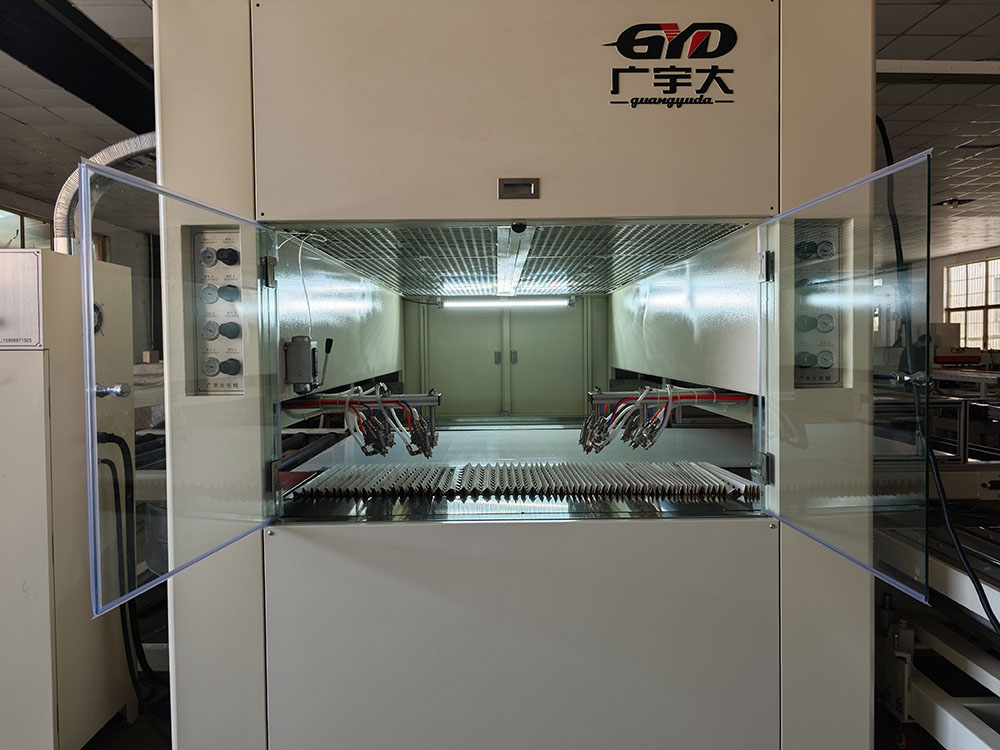
Greenhouse misting systems represent the most common application of automatic mist sprayers, designed to spray fine water droplets into greenhouse air spaces to regulate humidity levels, reduce temperatures through evaporative cooling, and provide gentle hydration to plants without waterlogging soil or damaging delicate foliage. These systems typically consist of high-pressure pumps operating at 500 to 1000 psi or higher, specialized misting nozzles that create ultra-fine droplets, pressurized water lines, and controllers that automate watering schedules based on timers or humidity sensors. Low-pressure systems operating at 20 to 40 psi produce larger droplets suitable for general humidity increase but less effective cooling, while high-pressure systems create fog-like mist that evaporates quickly for superior cooling and humidity control without excessively wetting plant surfaces. Automated greenhouse misting systems use nozzles connected to pressurized water lines controlled by timers or humidity sensors, enabling precise climate control that promotes optimal plant growth while minimizing water usage and labor requirements compared to manual misting or traditional irrigation methods.
Agricultural pesticide mist applicators represent specialized automatic mist sprayers designed for controlled droplet application of pesticides, fungicides, and other plant protection products in greenhouses, orchards, and field crops. These systems include automatic thermal vaporizers, cold foggers (low volume mist applicators or mechanical aerosol generators), and automatic air-assisted sprayers that enable precise pesticide application with minimal waste and maximum coverage. Research demonstrates that automated sprayers achieve good spray quality with less waste compared to backpack sprayers, increasing spray penetration rate into foliage by 34.3 percent and reducing pesticide waste rate to 2.42 percent compared to 18.42 percent for conventional knapsack sprayers. Automated mobile platforms with aerosol generators enable effective pesticide application in fruit horticulture, with optimal operation parameters including platform speed of 3.4 kilometers per hour, distance to tree crown of 1.34 meters, and working fluid flow rate of 44.1 liters per hour. Effective aerosol penetration reduced the amount of working fluid used by up to 50 times compared to conventional spraying, demonstrating substantial material savings and environmental benefits from automated mist application technology.
Industrial cooling and humidification systems utilize automatic mist sprayers to reduce ambient temperatures, control humidity levels, and improve working conditions in factories, warehouses, outdoor work areas, and commercial spaces. These systems employ high-pressure pumps and specialized nozzles to create fine mist that evaporates rapidly, absorbing heat from surrounding air through evaporative cooling principles that can reduce temperatures by 10 to 20 degrees Fahrenheit during hot weather. Industrial misting systems offer significant advantages over traditional air conditioning, including lower energy consumption, reduced operating costs, and ability to cool large open spaces where conventional HVAC systems prove impractical or prohibitively expensive. Automated control systems adjust mist output based on temperature and humidity sensors, ensuring optimal cooling and humidification without over-saturating environments. The increased humidity from industrial misting systems also provides respiratory benefits by making breathing easier in dry climates, reducing irritation from dust and airborne particles, and creating more comfortable atmospheres for workers in hot, dry industrial environments.
Disinfection and sanitization mist systems employ automatic mist sprayers to disperse disinfectant solutions, sanitizers, and antimicrobial agents as fine mists for comprehensive facility disinfection in hospitals, schools, food processing plants, public transportation, and commercial buildings. These systems generate ultra-fine droplets that remain suspended in air long enough to contact and neutralize airborne pathogens while settling onto surfaces to provide thorough disinfection coverage. Automated disinfection mist systems offer significant advantages over manual cleaning, including complete coverage of hard-to-reach areas, consistent application rates, reduced chemical usage, and minimized worker exposure to hazardous disinfectants. Timer-controlled or sensor-activated systems enable scheduled disinfection cycles without manual intervention, ensuring consistent sanitization protocols are maintained. The fine mist penetration reaches crevices, undersides, and complex geometries that manual wiping cannot access effectively, providing comprehensive disinfection that enhances facility hygiene and reduces disease transmission risks in high-traffic environments.
Dust suppression and air quality control systems utilize automatic mist sprayers to control airborne dust particles, reduce particulate matter concentrations, and improve air quality in construction sites, mining operations, material handling facilities, and industrial processes that generate significant dust. These systems create fine water mists that capture and agglomerate dust particles, causing them to settle out of air spaces rather than remaining suspended and creating health hazards or visibility problems. Automated dust suppression mist systems activate based on dust sensors, wind conditions, or operational schedules, ensuring dust control measures are implemented precisely when needed without wasteful continuous operation. The fine mist droplets effectively capture PM10 and PM2.5 particles that pose greatest health risks, reducing respiratory hazards for workers and surrounding communities. Dust suppression misting also reduces water consumption compared to traditional water truck spraying, as fine mists use significantly less water while achieving superior dust control through better particle capture efficiency.
High-pressure pump systems serve as the heart of automatic mist sprayers, responsible for pressurizing water or chemical solutions to levels required for proper atomization through specialized nozzles. Typical operating pressures range from 500 to 1500 psi for fine mist generation, with some industrial systems operating at even higher pressures for ultra-fine fog production. Positive displacement pumps, diaphragm pumps, and centrifugal pumps each serve specific applications based on flow rate requirements, pressure needs, and fluid compatibility. Variable frequency drives enable precise pressure control and energy efficiency by adjusting pump speed to match mist output requirements. Pressure regulators and relief valves maintain safe operating conditions and protect system components from over-pressurization. Proper pump sizing matching nozzle requirements and coverage areas ensures optimal mist generation without excessive energy consumption or premature equipment wear.
Specialized misting nozzles and atomizers transform pressurized liquids into fine droplets through precisely engineered orifices and internal flow paths that create controlled atomization. Nozzle materials including brass, stainless steel, and engineered plastics offer different durability, corrosion resistance, and cost characteristics for various applications. Orifice sizes typically range from 0.004 to 0.020 inches for fine mist production, with smaller orifices creating finer droplets but requiring higher pressures and cleaner water supplies. Anti-drip valves prevent water dripping from nozzles when systems shut off, eliminating unsightly water spots and preventing over-wetting of specific areas. Self-cleaning nozzles incorporate mechanisms that flush debris during operation or shutdown, reducing maintenance requirements and preventing clogging from mineral deposits or particulate contamination. Proper nozzle selection matching application requirements, water quality, and pressure availability ensures optimal mist characteristics for specific uses.
Control systems and automation enable precise, scheduled, and sensor-based operation of automatic mist sprayers without manual intervention. Timer-based controllers activate misting cycles at predetermined intervals and durations, suitable for applications with predictable requirements such as greenhouse humidity control or scheduled disinfection cycles. Sensor-based controllers respond to real-time conditions including temperature, humidity, dust levels, or occupancy, activating misting only when specific thresholds are exceeded. Programmable logic controllers (PLCs) and human-machine interfaces (HMIs) enable sophisticated control strategies including two-way communication between controllers and operators for remote monitoring and adjustment. Smart controllers incorporate WiFi connectivity and mobile apps, enabling remote system management and real-time performance monitoring from smartphones or computers. Advanced control systems integrate multiple sensors and actuators to optimize mist output based on complex environmental conditions, maximizing effectiveness while minimizing resource consumption.
Distribution piping and manifold systems transport pressurized liquids from pumps to misting nozzles throughout coverage areas while maintaining adequate pressure and flow rates for proper atomization. Stainless steel, copper, and high-density polyethylene (HDPE) piping offer different advantages for corrosion resistance, pressure ratings, and installation requirements. Manifold systems distribute flow evenly to multiple nozzle circuits, enabling zone control and balanced mist distribution across large areas. Pressure-compensating flow controls ensure uniform mist output from all nozzles regardless of position in distribution system. Quick-connect fittings and modular components enable easy system expansion, modification, and maintenance without extensive plumbing work. Proper pipe sizing and layout minimize pressure drops and ensure adequate flow to all nozzles, preventing weak mist output at distant points in distribution systems.
Greenhouse climate control and plant propagation represent primary applications for automatic mist sprayers, where precise humidity and temperature regulation promotes optimal plant growth and development. Misting systems maintain optimal humidity levels that reduce plant stress, decrease water loss through transpiration, support proper growth during germination and early development, and create ideal conditions for propagation and rooting of cuttings. Seedlings and young plants particularly benefit from gentle, uniform moisture that promotes healthy root development without media saturation that can cause rot or disease. Commercial nurseries use automated misting to improve germination rates and reduce watering labor while maintaining consistent growing conditions. During summer months, misting systems counteract solar heat gain, maintaining conditions that support year-round production schedules and reduce seasonal variability. Proper humidity control reduces risk of powdery mildew, spider mites, and botrytis outbreaks, especially in high-density plantings where disease pressure increases. Research institutions utilize misting to simulate specific environmental conditions for plant research, enabling controlled studies of plant responses to different humidity and temperature regimes.
Agricultural pest and disease management applications utilize automatic mist sprayers for efficient, effective application of pesticides, fungicides, and biological control agents in protected agriculture and orchard production. Automated pesticide application systems in greenhouses eliminate human involvement except for mixing pesticides according to manufacturer labels, reducing worker exposure to hazardous chemicals while ensuring thorough coverage. The system simply requires filling tanks with needed insecticides, setting timer clocks, and activating switches to achieve complete coverage in minutes for substantial greenhouse areas. Automated systems temporarily close greenhouse exhaust fans, motorized windows, and vents during application to contain mist within treatment areas, then flush hoses clean with air blasts and restart environmental controls after pesticide settles. Effective aerosol penetration enables substantial reduction in working fluid volumes while maintaining or improving pest control efficacy compared to conventional spraying methods. The precision application reduces pesticide waste, environmental contamination, and application costs while improving worker safety through reduced chemical exposure.
Industrial space cooling and worker comfort applications employ automatic mist sprayers to reduce ambient temperatures and improve working conditions in factories, warehouses, foundries, and other industrial environments where heat stress poses safety and productivity concerns. Evaporative cooling from misting lowers greenhouse and industrial space temperatures by several degrees, critical during hot seasons or in regions with intense sunlight. This passive cooling reduces reliance on energy-intensive air conditioning systems, lowering energy costs and environmental impact while maintaining comfortable working conditions. Misting systems reduce temperatures to more comfortable levels, allowing workers to maintain productivity during hot weather without heat-related fatigue or safety incidents. Outdoor industrial areas including loading docks, material handling zones, and equipment maintenance areas benefit from mist cooling that enables continued work during hot weather. The increased humidity from industrial misting systems also provides respiratory benefits by making breathing easier in dry climates and reducing irritation from dust and airborne particles, creating more comfortable atmospheres overall for industrial workers.
Facility disinfection and public health protection applications utilize automatic mist sprayers for comprehensive sanitization of hospitals, schools, food processing facilities, public transportation, and commercial buildings where disease transmission prevention is critical. Automated disinfection systems enable scheduled or on-demand facility sanitization without extensive manual labor, ensuring consistent disinfection protocols are maintained. Fine mist disinfectants reach undersides, crevices, and complex geometries that manual wiping cannot access effectively, providing comprehensive pathogen neutralization throughout treated spaces. Timer-controlled systems enable overnight or off-hours disinfection cycles that minimize disruption to normal operations while ensuring facilities are sanitized before occupancy. Sensor-activated systems respond to occupancy levels or contamination events, activating disinfection precisely when needed without wasteful continuous operation. The comprehensive coverage and consistent application rates reduce disease transmission risks while minimizing chemical usage and worker exposure to hazardous disinfectants compared to manual cleaning methods.
Construction and mining dust control applications employ automatic mist sprayers to suppress airborne dust particles generated during excavation, material handling, crushing, and transportation operations that create health hazards and environmental concerns. Automated dust suppression systems activate based on dust sensors, wind conditions, or operational schedules, ensuring dust control measures are implemented precisely when needed without wasteful continuous operation. Fine water mists capture and agglomerate dust particles including PM10 and PM2.5 fractions that pose greatest health risks, causing them to settle out of air spaces rather than remaining suspended and creating respiratory hazards. Dust suppression misting reduces water consumption compared to traditional water truck spraying, as fine mists use significantly less water while achieving superior dust control through better particle capture efficiency. Construction sites, quarries, mining operations, and material handling facilities benefit from automated dust suppression that protects worker health, reduces environmental impact, and maintains regulatory compliance without excessive water usage or operational disruption.
Automatic mist sprayers deliver substantial water and chemical efficiency improvements compared to conventional spraying or irrigation methods. Fine mist droplets minimize runoff and soil saturation, meaning more water is absorbed by plants and less is wasted through drainage or evaporation from soil surfaces. Studies show that misting uses significantly less water compared to traditional sprinkler systems while providing superior humidity control and plant hydration. Automated pesticide application reduces chemical waste rates from 18.42 percent for conventional knapsack sprayers to 2.42 percent for automated mist applicators, representing 34.3 percent improvement in spray penetration and substantial cost savings from reduced chemical purchases. The precision application ensures chemicals reach target areas without overspray or drift that wastes materials and creates environmental contamination. Reduced water and chemical consumption lowers operating costs while minimizing environmental impact through decreased runoff and reduced chemical loading in waterways.
Automatic mist sprayers deliver dramatic labor savings and operational efficiency improvements by eliminating manual spraying tasks and enabling unattended system operation. Greenhouse operators report no human involvement except for mixing pesticides according to manufacturer labels, with systems requiring only tank filling, timer setting, and switch activation to achieve complete coverage in minutes. Automated systems enable single operators to manage misting across large facilities that would otherwise require multiple workers for manual application. Timer-controlled and sensor-activated systems operate without constant supervision, freeing workers for higher-value tasks while maintaining optimal environmental conditions. The efficiency gains enable facilities to expand operations without proportional labor increases, improving productivity and profitability. Reduced labor requirements also address workforce shortages that increasingly affect agriculture and industrial sectors, enabling continued operations despite limited available workers.
Automatic mist sprayers contribute to improved product quality and yield through precise environmental control that optimizes growing conditions and reduces plant stress. Misting optimizes humidity levels to improve stomatal function, water absorption, and nutrient transport, resulting in faster vegetative growth and more uniform flowering. By minimizing climate stress, plants dedicate more energy to fruit and flower production, boosting total yields and marketable product volume. Consistent moisture on leaves enhances photosynthesis and nutrient uptake, improving plant health and productivity. Proper humidity control reduces incidence of spider mites and other pests that prefer dry conditions, decreasing crop losses from pest damage. Higher humidity levels improve seed germination rates and promote stronger root development, establishing healthier plants that produce better yields. The uniform environmental conditions reduce variability in plant growth and development, creating more consistent product quality that commands premium prices in markets.
Automatic mist sprayers enhance worker safety and health by reducing exposure to hazardous chemicals, extreme heat, and airborne contaminants that pose occupational health risks. Automated pesticide application eliminates worker exposure to toxic pesticides during application, reducing acute poisoning risks and chronic health effects from repeated low-level exposure. Industrial misting systems reduce heat stress by cooling work environments, preventing heat-related illnesses including heat exhaustion and heat stroke that can be life-threatening. Dust suppression misting reduces worker exposure to respirable dust particles that cause silicosis, lung cancer, and other respiratory diseases. Disinfection misting reduces worker exposure to hazardous disinfectants by enabling automated application without manual handling of concentrated chemicals. The comprehensive safety improvements reduce workers compensation claims, improve employee retention, and enhance overall workplace safety culture while maintaining regulatory compliance with occupational health standards.
Automatic mist sprayers contribute to environmental sustainability through reduced resource consumption, minimized chemical usage, and decreased environmental contamination. Water savings from efficient mist application reduce strain on water resources, particularly important in drought-prone regions where water availability limits agricultural and industrial operations. Reduced pesticide and chemical usage decreases environmental loading from agricultural runoff, protecting waterways and aquatic ecosystems from contamination. Lower energy consumption from evaporative cooling compared to mechanical air conditioning reduces greenhouse gas emissions and fossil fuel dependence. Dust suppression reduces particulate matter emissions to atmosphere, improving air quality for surrounding communities and ecosystems. The combination of resource efficiency, reduced chemical usage, and lower emissions makes automatic mist sprayers valuable tools for sustainable agriculture and industrial operations that balance productivity with environmental stewardship.
Successful automatic mist sprayer implementation requires careful system design and sizing to match application requirements, coverage areas, and environmental conditions. Pump capacity must match total nozzle flow requirements while maintaining adequate pressure for proper atomization throughout distribution systems. Nozzle selection should match application objectives including droplet size requirements, flow rates, and spray patterns for specific uses. Coverage area calculations determine nozzle spacing and circuit layouts that ensure uniform mist distribution without gaps or excessive overlap. Water quality assessment identifies filtration requirements to prevent nozzle clogging from minerals, sediments, or biological growth. Control system selection should match operational requirements including timer-based scheduling, sensor-based automation, or remote monitoring capabilities. Professional system design ensures optimal performance, efficiency, and longevity while avoiding undersized systems that fail to meet objectives or oversized systems that waste energy and resources.
Proper installation and commissioning ensures automatic mist sprayer systems perform as designed and deliver expected benefits. Piping installation should follow manufacturer specifications for support spacing, pressure ratings, and material compatibility with conveyed fluids. Nozzle mounting at correct heights and orientations ensures proper mist distribution and coverage throughout target areas. Electrical connections must comply with applicable codes and standards for wet locations and hazardous environments where applicable. System flushing before operation removes installation debris that could clog nozzles or damage pumps. Pressure testing verifies system integrity and identifies leaks before commissioning. Nozzle flow rate verification ensures balanced distribution and proper atomization across all circuits. Control system calibration ensures sensors respond accurately and controllers activate systems at appropriate thresholds. Proper commissioning establishes baseline performance for future comparison and troubleshooting.
Regular maintenance and proper operation maximize automatic mist sprayer system performance, efficiency, and service life. Nozzle inspection and cleaning prevents clogging from mineral deposits, sediments, or biological growth that degrades mist quality and distribution. Filter replacement maintains water quality and protects pumps and nozzles from contamination damage. Pump maintenance including oil changes, seal inspection, and vibration monitoring prevents premature failures and maintains efficiency. Control system verification ensures sensors remain calibrated and controllers function properly. Winterization procedures protect systems from freeze damage in cold climates by draining water from components or adding antifreeze solutions. Water treatment including filtration, softening, or chemical treatment prevents scale formation and biological growth that degrade system performance. Proper maintenance combined with correct operation ensures reliable performance, minimizes downtime, and extends equipment service life while maintaining optimal mist quality for applications.
Automatic mist sprayers represent mature and highly effective technology for diverse applications including greenhouse climate control, agricultural pest management, industrial cooling, disinfection, and dust suppression. Their ability to deliver precise environmental control, substantial water and chemical savings, dramatic labor reductions, improved product quality and yields, enhanced worker safety, and environmental sustainability makes automatic mist sprayers invaluable assets for modern agriculture, industry, and facility management. As technology continues advancing with improved controls, better materials, and enhanced automation capabilities, automatic mist sprayers will become even more capable and efficient, ensuring their continued importance and expanding adoption across traditional and emerging applications where precise mist application delivers measurable benefits.
Q1: How much water do automatic mist sprayers save compared to traditional irrigation?
A1: Automatic mist sprayers typically use significantly less water compared to traditional sprinkler systems while providing superior humidity control and plant hydration. Fine mist droplets minimize runoff and soil saturation, meaning more water is absorbed by plants and less is wasted through drainage or evaporation. Studies demonstrate that misting systems reduce water consumption while maintaining or improving plant health and growth rates. The precise application ensures water reaches target areas without overspray or waste, typically reducing water usage by 30 to 50 percent compared to conventional overhead irrigation while providing better humidity control and cooling benefits.
Q2: Can automatic mist sprayers be used for pesticide application in greenhouses?
A2: Yes, automatic mist sprayers are highly effective for pesticide application in greenhouses, with automated systems eliminating human involvement except for mixing pesticides according to manufacturer labels. Research shows automated sprayers achieve good spray quality with 34.3 percent better spray penetration into foliage and reduce pesticide waste rates from 18.42 percent for backpack sprayers to just 2.42 percent for automated systems. The systems simply require filling tanks with needed insecticides, setting timers, and activating switches to achieve complete coverage in minutes while reducing worker exposure to hazardous chemicals and improving application efficiency.
Q3: How effective are automatic mist sprayers for industrial cooling?
A3: Automatic mist sprayers are highly effective for industrial cooling through evaporative cooling principles that can reduce ambient temperatures by 10 to 20 degrees Fahrenheit during hot weather. The fine mist evaporates rapidly, absorbing heat from surrounding air and creating cooler, more comfortable working conditions. Industrial misting systems offer significant advantages over traditional air conditioning including lower energy consumption, reduced operating costs, and ability to cool large open spaces where conventional HVAC systems prove impractical. The passive cooling reduces reliance on energy-intensive air conditioning while maintaining comfortable working conditions that improve worker productivity and safety during hot weather.
Q4: What maintenance do automatic mist sprayer systems require?
A4: Automatic mist sprayer systems require regular maintenance including nozzle inspection and cleaning to prevent clogging from mineral deposits or debris, filter replacement to maintain water quality, pump maintenance including oil changes and seal inspection, and control system verification to ensure sensors remain calibrated. Seasonal maintenance includes winterization procedures to protect systems from freeze damage in cold climates. Water treatment including filtration or softening prevents scale formation and biological growth. Proper maintenance typically requires 1 to 2 hours monthly for inspection and cleaning, with annual professional service for comprehensive system evaluation and component replacement as needed.
Q5: Are automatic mist sprayers suitable for dust control at construction sites?
A5: Yes, automatic mist sprayers are highly effective for dust control at construction sites, quarries, and mining operations where airborne dust creates health hazards and environmental concerns. Fine water mists capture and agglomerate dust particles including PM10 and PM2.5 fractions that pose greatest health risks, causing them to settle out of air spaces. Automated dust suppression systems activate based on dust sensors or operational schedules, ensuring dust control measures are implemented precisely when needed without wasteful continuous operation. Dust suppression misting reduces water consumption compared to traditional water truck spraying while achieving superior dust control through better particle capture efficiency, protecting worker health and maintaining regulatory compliance.


