
Views: 249 Author: 广宇大 Publish Time: 2026-09-28 Origin: Site


Content Menu
● Understanding Metal Coating Machine Technology
>> What Is a Metal Coating Machine?
>> Core Components of Metal Coating Systems
● Types of Metal Coating Machine Configurations
>> Vacuum PVD Metal Coating Machines
>> Powder Coating Metal Coating Machines
>> Electrostatic Spray Metal Coating Machines
>> Immersion and Electrocoating Metal Coating Machines
● Metal Coating Machine vs Traditional Painting: Comparative Analysis
>> Coating Quality and Uniformity
>> Production Efficiency and Throughput
>> Material Utilization and Waste Reduction
>> Environmental Impact and VOC Emissions
● Leading Metal Coating Machine Manufacturers and Suppliers
>> Linhai Jinhai Coating Equipment and Bazhou Miaorun (China)
>> Yangzhou OURS Machinery and Taizhou Ailin Trade (China)
>> Shanghai Royal Technology and SIMVACO (China)
>> Guangdong Zhongda Vacuum Equipment and Thulir Vacuum Technologies (China and India)
● Key Selection Criteria for Metal Coating Machine Systems
>> Production Volume and Part Geometry
>> Coating Type Compatibility and Performance Requirements
>> Part Dimensions and Tolerance Requirements
● Maintenance and Operational Best Practices
>> Daily Cleaning and Inspection Procedures
>> Scheduled Component Replacement
>> Preventive Maintenance and Calibration
>> What is the difference between vacuum PVD coating and powder coating for metal parts?
>> How much coating material can be saved by using metal coating machines versus traditional painting?
>> Can metal coating machines handle both small hardware and large architectural profiles?
>> What maintenance is required for metal coating machines?
>> How do you select the correct metal coating machine for specific applications?
Modern automotive, aerospace, architectural, consumer electronics, and industrial component manufacturing demands flawless surface finishes, superior corrosion resistance, and maximum production efficiency to remain competitive in global markets. A metal coating machine has evolved from simple dip tanks and manual spray booths into sophisticated automated systems that integrate precision coating application, controlled curing, real-time process monitoring, and intelligent material handling specifically engineered for metal substrates including steel, aluminum, stainless steel, zinc die cast, and magnesium alloys. This comprehensive guide explores leading metal coating machine technologies, system configurations, and selection criteria that transform metal coating operations from labor-intensive bottlenecks into streamlined competitive advantages across automotive parts, aerospace components, architectural aluminum, consumer electronics, hardware, decorative parts, optical components, and industrial equipment manufacturing sectors.
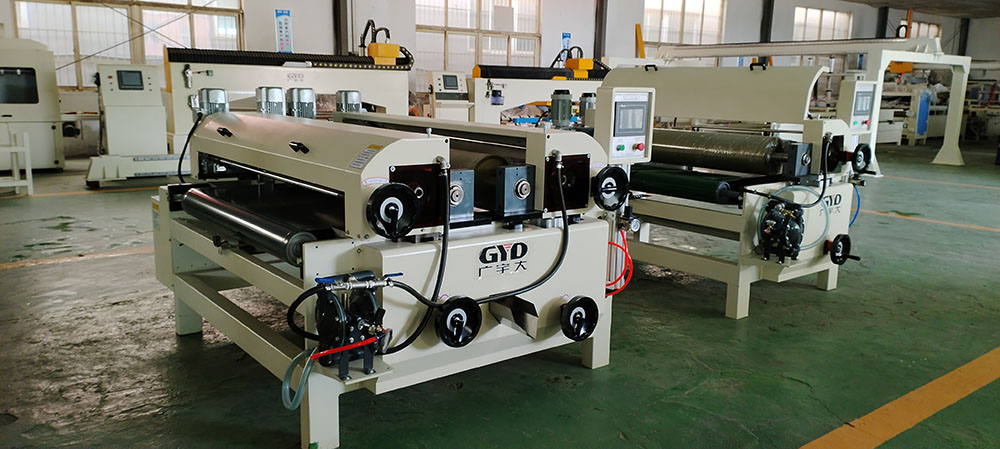
A metal coating machine is an industrial surface treatment system specifically engineered to apply protective and decorative coatings onto metal substrates using vacuum deposition, powder coating, electrostatic spray, electroplating, or chemical conversion technologies with repeatable precision. Unlike manual coating methods that depend heavily on operator skill and consistency, metal coating machines deliver uniform coating thickness, controlled application parameters, and optimized material usage across production runs without fatigue-related quality degradation that plagues manual operations during long shifts.
These systems integrate precision coating application equipment including vacuum chambers with magnetron sputtering cathodes and evaporation sources for physical vapor deposition, electrostatic spray guns that charge powder particles for efficient deposition onto grounded metal parts, immersion tanks for electrocoating and chemical conversion treatments, and curing ovens that crosslink powder coatings or bake liquid paints at controlled temperatures. Advanced metal coating machine configurations feature programmable logic controllers, human-machine interfaces, robotic manipulators, and real-time coating thickness monitoring that maintain optimal application parameters throughout high-volume production cycles, enabling lights-out manufacturing in modern smart factories with minimal operator oversight while achieving coating thickness tolerances far superior to manual spray methods.
Industrial metal coating machines consist of several integrated subsystems working in concert to achieve reliable high-quality finishes at production speeds optimized for diverse metal part geometries. Vacuum coating systems include vacuum chambers that maintain pressures below 10 to the power of negative 4 pascals, magnetron sputtering cathodes or evaporation sources that deposit thin films of metals, alloys, oxides, nitrides, and carbides onto substrates, and roll-to-roll web handling systems for continuous coating of metal foils and flexible substrates.
Powder coating systems include electrostatic spray guns that charge powder particles, spray booths with powder recovery systems that capture overspray for reuse, curing ovens that melt and crosslink powder coatings at 180 to 220 degrees Celsius, and conveyor systems that transport parts through pretreatment, spray application, and curing zones. Pretreatment systems include multi-stage cleaning tunnels with degreasing, rinsing, phosphating or chromating, and drying stages that prepare metal surfaces for optimal coating adhesion and corrosion resistance.
Vacuum physical vapor deposition metal coating machines represent advanced configurations for applying thin films of metals, alloys, oxides, nitrides, and carbides onto metal substrates with exceptional uniformity and adhesion for decorative, optical, and functional applications. These systems operate in vacuum chambers where substrates are loaded onto rotating fixtures or continuous web handling systems, and coating materials are vaporized through magnetron sputtering or thermal evaporation, condensing onto substrates as uniform thin films with thickness ranging from 10 nanometers to 500 nanometers.
The roll-to-roll thin-film vacuum coating machine is designed for continuous, high-quality thin-film deposition on flexible substrates including PET, PI, and metal foils with widths up to 1,500 millimeters. This system combines advanced vacuum technology with high-precision control, ensuring uniform and efficient coating for large-scale production in industries such as flexible electronics, solar cells, display films, sensors, and optical components with deposition rates up to 10 nanometers per second and coating uniformity of plus or minus 2 percent.
SIMVACO manufactures advanced PVD coating machines with magnetron sputtering, multi-arc ion plating, and evaporation technologies that serve industries including hardware, decorative parts, optical components, plastic material, touchscreen displays, automotive, medical implants, and perovskite photovoltaics. The company's roll-to-roll PECVD system offers cutting-edge solutions for continuous, high-efficiency thin film deposition on flexible substrates like PET, PI, and metal foils with vacuum pressure below 1 times 10 to the power of negative 4 pascals and film thickness range from 10 to 500 nanometers.
Powder coating metal coating machines represent the most widely deployed metal coating configuration for industrial, architectural, automotive, and consumer goods applications where durability, corrosion resistance, and environmental compliance are paramount. These systems apply thermoset or thermoplastic powder coatings electrostatically onto grounded metal parts, then cure coatings in convection or infrared ovens that melt and crosslink powder particles into continuous films with thickness from 40 to 120 microns depending on application requirements.
Linhai Jinhai Coating Equipment manufactures automatic powder coating production lines with electrostatic powder painting line systems and conveyor chains with prices from 38,000 to 39,000 dollars per set for complete systems including spray booths, curing ovens, and overhead conveyor systems. The company's economical electrostatic powder coating booths and industrial paint spray booths range from 3,200 to 3,300 dollars per piece for manual operations, while walk-in spray booths with overhead rail powder curing ovens range from 13,900 to 14,000 dollars per piece for medium-volume batch production.
Complete automatic powder coating production lines with spray booths, curing ovens, and conveyor systems range from 40,000 to 43,000 dollars per set for standard configurations, while Europe standard powder coating line systems with curing ovens and chemical spraying washing tunnels range from 24,100 to 58,500 dollars per set depending on pretreatment complexity and automation level. High-volume automated systems with robotic spray guns and sophisticated conveyor systems range from 256,800 to 459,800 dollars per piece for automotive and aerospace applications where throughput and quality are critical.
Electrostatic spray metal coating machines apply liquid paints and powder coatings using electrostatic charging that attracts coating materials to grounded metal parts with exceptional transfer efficiency and uniform coverage including recessed areas and complex geometries. These systems include electrostatic spray guns that charge coating particles, reciprocating manipulators or robotic arms that position spray guns along programmed paths, and conveyor systems that transport parts through spray zones at controlled speeds.
Yangzhou OURS Machinery manufactures overhead conveyor systems in coating lines with prices from 50,000 dollars per set, and complete powder coating lines ranging from 30,000 to 50,000 dollars per set for medium-volume production. The company's hot air circulation drying curing ovens for powder coating lines range from 1,000 to 100,000 dollars per set depending on size and heating method, while electrostatic powder coating guns range from 229 to 259 dollars per piece for manual spray applications.
Metal coating machinery electrostatic powder coating gun plus spray painting booth plus bake oven furnace packages for car alloy rim applications range from 3,888 to 3,999 dollars per set, while industrial iron art powder coating systems featuring PLC control with pump motor including curing ovens, drying ovens, and spray booths range from 250,000 dollars per set for high-volume decorative metal manufacturing.
Immersion and electrocoating metal coating machines apply coatings through dip tanks where parts are submerged in coating baths, with electrocoating using electrical current to deposit charged coating particles onto conductive metal substrates with exceptional uniformity including recessed areas and internal cavities. Vehicle e-coat automotive e-coat tank immersion e-coating systems range from 50,000 to 70,000 dollars per set for standard configurations, while high-volume automotive e-coat lines range from 50,000 to 100,000 dollars per set for complete systems including pretreatment, e-coat tanks, rinsing, and curing ovens.
Automatic powder coating production lines for transformer tanks and automatic metal electroplating lines range from 16,800 dollars per set for standard configurations, while automatic metal powder coating lines with overhead conveyor chains and robot painting for manufacturing plants with spray curing ovens serve high-volume automotive and industrial applications. Five-stage cleaning dip overhead conveyor powder coating painting lines with automatic spray tunnel systems for metal surface treatment range from 8,888 to 9,999 dollars per piece for medium-volume production.
Vacuum PVD metal coating machines deliver coating thickness uniformity of plus or minus 2 percent across full substrate widths with exceptional adhesion and corrosion resistance that far exceeds traditional liquid painting methods. Powder coating metal coating machines achieve uniform coating thickness from 40 to 120 microns with minimal runs, sags, or orange peel defects that plague traditional liquid painting, especially on vertical surfaces and complex geometries where gravity affects liquid flow.
Electrostatic spray metal coating machines charge coating particles that are attracted to grounded metal parts, ensuring uniform coverage including recessed areas and internal cavities that traditional spray methods struggle to coat without multiple passes and manual touch-up. Immersion and electrocoating metal coating machines provide exceptional uniformity across complex geometries including internal cavities and recessed areas that spray methods cannot reach without multiple fixturing operations and manual intervention.
Vacuum PVD metal coating machines operate at deposition speeds up to 10 nanometers per second for roll-to-roll systems, significantly faster than traditional plating methods that require extended immersion times and multiple rinse cycles. Powder coating metal coating machines operate at line speeds from 0.5 to 20 meters per minute depending on part geometry and coating thickness requirements, with curing times from 10 to 30 minutes in convection or infrared ovens that enable continuous flow production.
Electrostatic spray metal coating machines achieve transfer efficiency of 95 to 99 percent with minimal overspray waste, while traditional spray methods achieve only 60 to 80 percent transfer efficiency with significant overspray losses that require cleanup and hazardous waste disposal. Immersion and electrocoating metal coating machines process hundreds of parts per hour in continuous flow lines, while traditional painting requires multiple fixturing operations and manual touch-up that constrain throughput.
Vacuum PVD metal coating machines achieve material utilization rate of 95 to 99 percent with virtually no waste, while traditional plating methods generate significant chemical waste requiring treatment and disposal. Powder coating metal coating machines achieve powder utilization rate of 95 to 99 percent with overspray captured and reused, while traditional liquid painting achieves only 60 to 80 percent transfer efficiency with significant solvent emissions and hazardous waste generation.
Electrostatic spray metal coating machines charge coating particles that are attracted to grounded parts, minimizing overspray and maximizing material utilization compared to traditional spray methods where overspray losses typically range from 20 to 40 percent. Immersion and electrocoating metal coating machines recycle coating baths with minimal waste generation, while traditional painting generates significant solvent emissions and hazardous waste requiring treatment and disposal.
Vacuum PVD metal coating machines produce zero VOC emissions with no solvents or hazardous air pollutants, meeting stringent environmental regulations without expensive abatement equipment. Powder coating metal coating machines are 100 percent solids with zero VOC emissions, no solvent evaporation, and minimal pollution that meets industrial environmental protection standards without expensive VOC collection and treatment systems.
Electrostatic spray metal coating machines apply powder coatings with zero VOC emissions or liquid paints with reduced solvent content compared to traditional spray methods that generate significant VOC emissions requiring expensive collection and treatment equipment. Immersion and electrocoating metal coating machines use waterborne coatings with minimal VOC emissions compared to solvent-borne traditional painting methods that generate significant VOC emissions requiring expensive abatement equipment.
Linhai Jinhai Coating Equipment manufactures powder coating machines, powder coating ovens, and complete powder coating production lines with prices ranging from 1,350 to 64,000 dollars depending on configuration and automation level. The company's automatic powder coating production lines with electrostatic powder painting line systems and conveyor chains range from 38,000 to 39,000 dollars per set for complete systems including spray booths, curing ovens, and overhead conveyor systems.
Bazhou Miaorun Hardware Products Factory manufactures powder coating machines, powder coating lines, and powder coating guns with prices ranging from 920 to 72,000 dollars depending on configuration. The company's complete automatic powder coating production lines with spray booths, curing ovens, and conveyor systems range from 40,000 to 43,000 dollars per set for standard configurations suitable for medium to high-volume production.
Yangzhou OURS Machinery manufactures coating machines, powder coating lines, and powder coating machines with prices ranging from 229 to 50,000 dollars depending on configuration. The company's overhead conveyor systems in coating lines range from 50,000 dollars per set, while complete powder coating lines range from 30,000 to 50,000 dollars per set for medium-volume production.
Taizhou Ailin Trade manufactures CE mini system powder coating machines with hot set industrial ovens ranging from 4,300 to 5,490 dollars per piece for small to medium-volume production. The company's systems feature CE certification and cost-efficient configurations suitable for small workshops and medium-volume manufacturers where capital investment must be minimized while still achieving dramatic improvements over manual coating methods.
Shanghai Royal Technology manufactures roll-to-roll web vacuum metallizers for packaging, electronics, optical, and flexible material industries with substrate widths up to 600 millimeters, roll diameters up to 800 millimeters, and coating speeds from 0.5 to 17 meters per second adjustable depending on coating process required. The company's systems serve high-volume flexible substrate coating applications where continuous roll-to-roll processing maximizes throughput and minimizes handling.
SIMVACO manufactures advanced PVD coating machines with magnetron sputtering, multi-arc ion plating, and evaporation technologies that serve industries including hardware, decorative parts, optical components, plastic material, touchscreen displays, automotive, medical implants, and perovskite photovoltaics. The company's roll-to-roll thin-film vacuum coating machines process flexible substrates including PET, PI, and metal foils with widths up to 1,500 millimeters, vacuum pressure below 1 times 10 to the power of negative 4 pascals, film thickness range from 10 to 500 nanometers, coating uniformity of plus or minus 2 percent, and deposition speed up to 10 nanometers per second.
Guangdong Zhongda Vacuum Equipment manufactures evaporation vacuum coating machines with double doors thermal evaporation vacuum coating machines featuring coating uniformity of 95 percent or higher and customizable chamber sizes. The company's evaporation vacuum coating machines with PLC and touch screen control achieve high purity coating of 99.9 percent or higher and fast coating speed from 50 to 500 nanometers per minute for optical, decorative, and functional coating applications.
Thulir Vacuum Technologies manufactures sputtering systems including multi-gun magnetron sputtering systems with PVD vacuum coaters and coating speeds of 20 rpm for high-volume decorative and functional coating applications. The company's Mento series roll-to-roll sputter systems deposit metal, oxide, and nitride films with widths of 334 millimeters, lengths of 600 meters, and thicknesses of 50 micrometers for flexible solar cell, plasma treatment, and DC, pulsed DC, and MF power applications.
Matching metal coating machine capacity to actual production volumes and part complexity prevents both underutilization of capital equipment and production bottlenecks that delay order fulfillment. Low to medium volume operations processing under 500 parts daily benefit from batch vacuum coating systems or compact powder coating configurations with manual loading and unloading stations positioned at ergonomic heights.
High-volume manufacturers handling thousands of parts daily require continuous roll-to-roll vacuum coating systems or integrated powder coating production lines with automated material handling, quick-change spray gun nozzles, and integrated curing zones that minimize changeover downtime between product styles. Evaluate cycle times including loading, coating application, curing, cooling, and unloading phases to calculate realistic daily throughput under actual operating conditions rather than theoretical maximums.
Different coating chemistries and performance requirements demand specific application technologies, curing methods, and pretreatment processes to achieve optimal results without incomplete cure, adhesion failures, or coating defects. Vacuum PVD coatings including TiN, CrN, AlTiN, and DLC offer exceptional hardness, wear resistance, and corrosion resistance for cutting tools, molds, and high-wear components, while powder coatings offer excellent durability, corrosion resistance, and environmental compliance for architectural, automotive, and industrial applications.
Verify that candidate metal coating machines accommodate your specific coating portfolio including decorative coatings, functional coatings, hard coatings, and corrosion-resistant coatings without requiring extensive reconfiguration when switching materials or product types between production runs. Automotive and aerospace applications require coatings that meet stringent performance specifications including salt spray resistance, adhesion tests, and impact resistance that demand precise process control and validation.
Metal parts vary dramatically in dimensions from small hardware components measuring 50 millimeters to substantial architectural aluminum profiles exceeding 6 meters in length with varying cross-sections from simple extrusions to complex assemblies. Ensure that candidate metal coating machines accommodate maximum part dimensions with adequate clearance for coating application, curing, and conveyor tracking without edge contact that damages finishes or creates safety hazards.
For complex geometries including recessed areas, internal cavities, and assembled structures, prioritize electrostatic spray or immersion coating systems that ensure uniform coverage without manual touch-up. Flat panel-only machines may achieve superior results on simple geometries but struggle with complex assemblies, potentially requiring manual touch-up that negates automation benefits and increases labor costs per finished unit.
Consistent daily cleaning prevents coating buildup in spray guns, fluid lines, filters, vacuum chambers, and recovery systems that degrades finish quality and increases unplanned downtime. Flush spray guns with appropriate solvents at shift end, removing nozzles, air caps, and fluid needles for thorough cleaning to prevent clogging from dried coating residue that alters spray patterns and creates streaks or dry spots on finished parts.
Inspect conveyor chains, drive motors, photoelectric sensors, roller bearings, and heating systems for wear, contamination, or misalignment that could affect positioning accuracy and coating uniformity across part surfaces. Visual inspection should identify buildup or debris that, if unclean, may hinder even application, with soft lint-free cloths used to wipe components to ensure no scratches or damage occurs during cleaning.
Premium metal coating machine producers track component replacement in operating hours and parts coated rather than calendar time because coating type, part geometry, and line speed determine wear rate. Spray gun nozzles, fluid needles, air caps, filters, vacuum cathodes, and seals have defined service life based on operating hours and material compatibility, with replacement scheduled during planned downtime.
Document all component replacements and maintenance activities in computerized maintenance management systems linked to production records for traceability and warranty compliance. Preventive replacement scheduled before defects impact production avoids unplanned stoppages that delay customer orders and disrupt production schedules in high-volume automotive, aerospace, and architectural aluminum manufacturing environments.
Preventive maintenance programs implement scheduled inspections based on equipment manuals and operational hours to avoid unexpected downtime. Weekly maintenance includes checking motor load, lubricating bearings, and inspecting spray gun alignment to ensure proper spray pattern overlap and coating thickness control.
Monthly maintenance involves calibrating flow rate sensors, verifying fluid pressure against coating weight targets, checking conveyor speed calibration, and documenting all readings. Annual maintenance overhauls all mechanical systems, updates software, replaces worn components including seals and nozzles, and performs comprehensive system validation before resuming production.
Vacuum PVD coating applies thin films of metals, alloys, oxides, nitrides, and carbides in vacuum chambers with exceptional uniformity, hardness, and corrosion resistance for decorative, optical, and functional applications. Powder coating applies thermoset or thermoplastic powder coatings electrostatically onto metal parts, then cures coatings in ovens that melt and crosslink powder particles into continuous films with excellent durability and environmental compliance.
Metal coating machines typically reduce coating consumption by 30 to 50 percent compared to traditional painting through precise application, consistent coverage patterns, and minimal overspray. Vacuum PVD and powder coating achieve material utilization rate of 95 to 99 percent with virtually no waste, while traditional painting achieves only 60 to 80 percent transfer efficiency with significant overspray losses.
Yes, most modern metal coating machines accommodate diverse part sizes from small hardware components to large architectural profiles with appropriate fixturing and conveyor systems. Batch vacuum coating systems suit small to medium parts, while continuous roll-to-roll systems and integrated powder coating production lines handle large volumes of diverse part geometries.
Daily maintenance includes flushing spray guns, cleaning nozzles and air caps, wiping down conveyor systems, and checking temperature controller readings. Weekly tasks involve lubricating linear guides, verifying spray gun alignment, checking pressure calibration, and inspecting filters. Monthly maintenance calibrates sensors and verifies process parameters against coating specification targets.
Metal coating machine selection balances production volume, part geometry, coating requirements, and budget constraints. Vacuum PVD systems suit decorative, optical, and hard coating applications, powder coating systems serve architectural, automotive, and industrial applications, electrostatic spray systems handle complex geometries, and immersion systems ensure uniform coverage including internal cavities.


