
Views: 298 Author: 广宇大 Publish Time: 2026-09-28 Origin: Site


Content Menu
● Understanding Hot Melt Roller Coating Machine Technology
>> What Is a Hot Melt Roller Coating Machine?
>> Core Components of Hot Melt Roller Coating Systems
● Types of Hot Melt Roller Coating Machine Configurations
>> Direct Roll Hot Melt Coating Machines
>> Slot Die Hot Melt Coating Machines
>> PUR Hot Melt Roller Coating Machines for Panel Lamination
>> Multi-Station Hot Melt Roller Coating and Lamination Lines
● Hot Melt Roller Coating Machine vs Spray Adhesive Application: Comparative Analysis
>> Adhesive Utilization and Waste Reduction
>> Production Efficiency and Throughput
>> Bond Quality and Uniformity
>> Environmental Impact and VOC Emissions
● Leading Hot Melt Roller Coating Machine Manufacturers and Suppliers
>> Schaefer Machine Company and Black Bros (USA)
>> JiaYuan Machinery and Suzhou Oushida (China)
>> Quanzhou Yongtai Machinery and Guangzhou Heyuan (China)
>> Union Tool Corporation and Trasy Enterprises (USA and India)
● Key Selection Criteria for Hot Melt Roller Coating Machine Systems
>> Production Volume and Substrate Geometry
>> Adhesive Type Compatibility and Temperature Requirements
>> Substrate Dimensions and Tolerance Requirements
● Maintenance and Operational Best Practices
>> Daily Cleaning and Inspection Procedures
>> Scheduled Component Replacement
>> Preventive Maintenance and Calibration
>> What is the difference between hot melt roller coating and spray adhesive application?
>> How much adhesive can be saved by using hot melt roller coating versus spray application?
>> Can hot melt roller coating machines handle both EVA and PUR adhesives?
>> What maintenance is required for hot melt roller coating machines?
>> How do you select the correct hot melt roller coating machine for specific applications?
Modern lamination, packaging, label, hygiene product, and industrial tape manufacturing demands uniform adhesive application, minimal material waste, and maximum production efficiency to remain competitive in global markets. A hot melt roller coating machine has evolved from simple heated roller applicators and manual glue spreaders into sophisticated automated systems that integrate precision adhesive metering, temperature-controlled application, controlled web tension, and continuous roll-to-roll or sheet-to-sheet lamination. This comprehensive guide explores leading hot melt roller coating machine technologies, system configurations, and selection criteria that transform adhesive application operations from labor-intensive bottlenecks into streamlined competitive advantages across furniture, woodworking, bookbinding, automotive interiors, flexible packaging, label stock, hygiene products, medical tapes, and industrial tape manufacturing sectors.
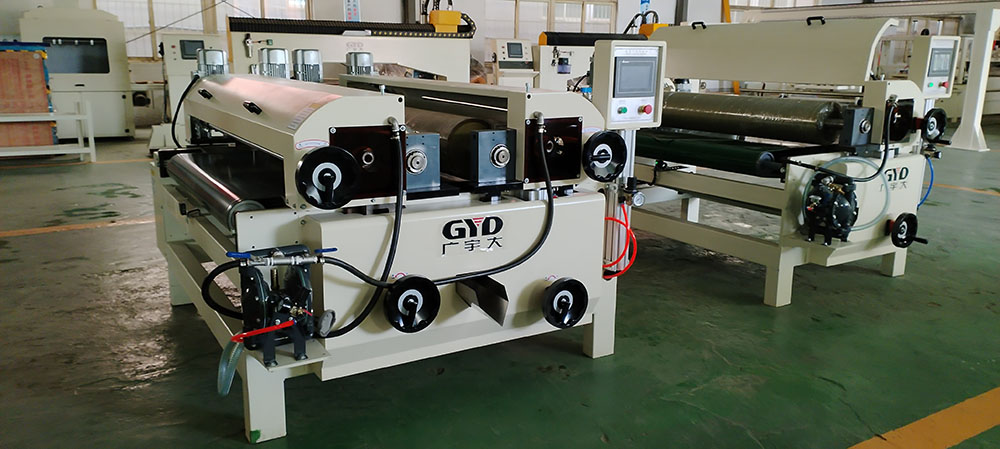
A hot melt roller coating machine is an industrial adhesive application system specifically engineered to melt solid thermoplastic adhesives and apply them onto flexible substrates like film, paper, nonwoven, and foil at high speed using heated roller-based application technology. Unlike manual glue spreading or spray application methods that create uneven coverage and excessive adhesive consumption, hot melt roller coating machines transfer liquid adhesive from heated application rollers to substrates through controlled contact, ensuring uniform coat weights across full working widths with minimal waste and consistent bond strength.
These systems integrate heated application rollers, metering rollers, and adhesive reservoirs with precise temperature control ranging from 110 to 250 degrees Celsius depending on adhesive type including EVA, PUR, PSA, and PO hot melt formulations. Advanced hot melt roller coating machine configurations feature electronically controlled independent roller speeds, adjustable roller gaps, real-time adhesive viscosity monitoring, and web tension control that maintain optimal application parameters throughout high-volume production cycles, enabling lights-out manufacturing in modern smart factories with minimal operator oversight while achieving coat weights from 10 to 200 grams per square meter depending on substrate porosity and bond strength requirements.
Industrial hot melt roller coating machines consist of several integrated subsystems working in concert to achieve reliable high-quality adhesive application at production speeds optimized for roll-to-roll lamination and sheet lamination. The process starts with an unwind stand feeding substrate at controlled tension, solid hot melt adhesive pellets are loaded into a heated tank melted up to 250 degrees Celsius and pumped through heated hoses to the coating head which may be slot die, roll, or spray applicator that applies a precise layer onto the moving web.
Application rollers rotate through heated adhesive reservoirs or receive adhesive from heated gear pumps, collecting material and transferring it to substrates while metering rollers or doctor blades remove excess adhesive to achieve precise thickness control. Dosing rollers control adhesive transfer to application rollers, with rotation direction adjustable clockwise or counter-clockwise to optimize adhesive distribution for different substrate geometries and adhesive viscosities. The process runs substrate feeding, adhesive melting, coating application, lamination optional, cooling solidification, and rewinding, with precise temperature and tension controls throughout to ensure consistent bond quality across extended production runs.
Direct roll hot melt coating machines represent entry-level configurations suitable for low to medium volume operations where capital investment must be minimized while still achieving dramatic improvements over manual glue spreading methods. These machines feature working widths from 300 to 2,000 millimeters with feeding speeds from 0 to 100 meters per minute, fully automating application of EVA, PUR, and PSA hot melt adhesives with exceptional uniformity that effectively replaces inconsistent manual methods or spray systems that create overspray waste.
The JYT-H roll direct hot melt coating machine exemplifies this technology with coating widths from 400 to 2,000 millimeters, coat weight range from 10 to 200 grams per square meter, and maximum speed from 50 to 100 meters per minute for high-volume packaging, label, hygiene, medical, and industrial tape production. Unwind diameter of 1,000 millimeters and rewind diameter from 500 to 1,000 millimeters accommodate large jumbo rolls that minimize changeover frequency and maximize production uptime in continuous roll-to-roll lamination operations.
Slot die hot melt coating machines represent advanced configurations where adhesive is pumped through precision slot dies that form uniform adhesive films onto substrates without roller contact, eliminating roller marks and enabling precise coat weight control for demanding applications. The JYT-B slot die hot melt coating machine features coating widths from 400 to 2,000 millimeters, coat weight range from 10 to 200 grams per square meter, and maximum speed from 0 to 50 meters per minute for applications requiring exceptional uniformity and precise edge control.
Slot die coating eliminates roller deflection and wear issues that plague roller coating systems, enabling consistent coat weight across full working widths without edge buildup or center starvation that compromises bond quality. Unwind diameter of 1,000 millimeters and rewind diameter of 700 millimeters accommodate standard jumbo roll sizes while maintaining precise web tension control that prevents wrinkling, stretching, or substrate damage during high-speed coating and lamination operations.
PUR hot melt roller coating machines represent specialized configurations optimized for applying reactive polyurethane hot melt adhesives that offer superior heat resistance, moisture resistance, and bond strength compared to conventional EVA and polyolefin adhesives for furniture, woodworking, and architectural panel lamination. The Guangzhou Heyuan PUR laminating line is designed for PUR hot melt glue lamination of various kinds of material, especially good for lamination of high gloss materials including PVC films, PET films, PP films, aluminum foil, and decorative papers onto MDF, particle board, plywood, and solid wood panels.
These machines feature working widths from 1,220 to 1,300 millimeters with panel sizes up to 1,220 by 2,440 millimeters, panel thickness from 2 to 40 millimeters, and working speeds from 5 to 17 meters per minute for furniture, door, cabinet, and architectural panel manufacturing. Glue types include PUR hot melt, PO, PSA, and EVA hot melt formulations, enabling manufacturers to process varied product portfolios without extensive reconfiguration or component replacement when switching materials between production runs.
Multi-station hot melt roller coating and lamination lines combine adhesive application, substrate feeding, pressing, cooling, and rewinding in one continuous flow that transforms raw materials into finished laminated products with minimal manual handling. These complete installations suit mass production environments where webs move automatically from unwind stands through adhesive application, lamination pressing, cooling rolls, and rewind stands without intermediate storage or re-fixturing that introduces contamination risks and delays order fulfillment.
The Union Tool hot melt roller coater and hot roll laminator combo machine for expanded polystyrene industry combines the use of a hot melt roller coater to apply hot melt adhesives and a hot roll laminator to laminate adhesive backed films in one machine. A formed composite blank is fed into the hot melt roller coater which applies a controlled and consistent amount of EVA type or PUR hot melt adhesive to the top surface, after which a kraft paper or other facing material is laminated to the coated surface with motorized vertical adjustment so foam thickness can vary from 0 to 6 inches.
Hot melt roller coating machines achieve adhesive utilization rate of 95 to 99 percent with virtually no waste, while spray adhesive application typically achieves 70 to 85 percent utilization with 15 to 30 percent overspray losses even with recovery systems. The direct transfer between metering and application rollers creates process-stable conditions that enable precise, controlled adhesive distribution with coat weight tolerances far superior to spray application methods where overspray and inconsistent coverage create waste and bond quality defects.
Hot melt roller coating machines waste almost no adhesive, need almost no masking, and push adhesive into porous surfaces so the bond actually lasts longer, while spray adhesive produces significant overspray that creates cleanup burdens and hazardous waste disposal costs. The coating is metered onto the applicator roller by precision setting of the gap between the upper metering roller and the application roller, with the adhesive wiped off the application roller by the substrate as it passes around the support roller, ensuring precise coat weight control without overspray losses.
Hot melt roller coating machines operate at production speeds from 0 to 200 meters per minute depending on configuration and adhesive requirements, significantly faster than spray adhesive application systems that operate at 0 to 50 meters per minute due to atomization, flash-off, and drying constraints. Roll coaters work at speeds between 50 to 200 meters per minute which means they can apply adhesive about four to ten times quicker compared to spray application, dramatically increasing production throughput for high-volume packaging, label, hygiene, medical, and industrial tape production.
The JYT-UV roll direct hot melt coating machine achieves maximum speed from 50 to 200 meters per minute for high-volume production where throughput is critical for competitiveness in demanding domestic and export markets. Hot melt roller coating allows webs to move continuously through the coating and lamination process, significantly increasing production speed and ensuring consistent bond quality across extended production runs without operator intervention that interrupts workflow.
Hot melt roller coating machines provide precise, uniform adhesive thickness typically 10 to 200 grams per square meter with consistent thickness across the entire web width, while spray adhesive produces highly variable thickness affected by gun distance, air pressure, and traverse speed suitable for thick builds but difficult to control for thin uniform films. The direct transfer between metering and application rollers creates process-stable conditions that enable precise, controlled adhesive distribution with coat weight tolerances of plus or minus 0.002 millimeters far superior to spray application methods.
Hot melt roller coating machines deliver consistent bond quality across extended production runs without operator intervention that interrupts workflow and reduces overall equipment effectiveness. Spray adhesive thickness is highly variable and affected by multiple factors including gun distance, air pressure, and traverse speed, making it difficult to achieve uniform adhesive thickness across large webs without skilled operators and frequent quality inspections.
Hot melt roller coating machines are highly eco-friendly with 100 percent solids adhesives, no solvent evaporation, zero VOC emissions, and minimal pollution that meets industrial environmental protection standards. Spray adhesive produces atomization and diffusion of adhesive that generate significant overspray and solvent emissions if solvent-based adhesives are used, necessitating specialized VOC collection and treatment equipment with high capital and operating costs.
Hot melt roller coating machines effectively eliminate VOC emissions, reduce the need for complex waste gas treatment equipment, create a clean working environment that meets industrial environmental protection standards, and can significantly reduce adhesive costs and environmental maintenance costs in the long term. The lowest VOC emissions and the lowest consumption of adhesive materials are characterized by hot melt roller coating application, while the highest VOC emissions and the highest consumption of adhesive materials are related to spraying technology.
Schaefer Machine Company manufactures hot melt roll coaters including the HM series with 9 inch wide open end feed roll for coating edges or full surface, variable speed DC drive with maximum speed 60 feet per minute, and tank capacity of 5 pounds of adhesive with warm-up time of half hour. The RT series hot melt roll coating machine applies hot melt adhesive to sheets of material up to 38 inches wide with three widths available including 13, 26, and 40 inches, digital electronic temperature control ensures accuracy, compact design allows use by two operators, high capacity melt tank from 10 pounds in 13 inch machine up to 30 pounds in 40 inch machine, simple coating thickness adjustment, machine heat up time 60 minutes, and variable speed drive to 60 feet per minute.
Black Bros engineers hot melt roll coaters for many demanding applications in widths up to 128 inches with 11-3/4 inch or 7-3/4 inch doctor roll and 10-1/2 inch or 6-1/2 inch application roll made out of heavy wall steel tubing which results in minimal deflection and larger reservoir between the rolls. AC inverter type drive with reverse lock-out, drive motor is 2 HP with speeds from 30 to 90 feet per minute, suitable for furniture, woodworking, bookbinding, automotive interiors, packaging, and textile lamination applications.
JiaYuan Machinery designs and builds hot melt coating systems from slot die and roll coaters to spray and laminating configurations with coating widths from 300 millimeters to over 2,000 millimeters for packaging, label, hygiene, medical, and industrial tape producers worldwide. The JYT-H roll direct hot melt coating machine features coating widths from 400 to 2,000 millimeters, coat weight range from 10 to 200 grams per square meter, and maximum speed from 50 to 100 meters per minute with unwind diameter of 1,000 millimeters and rewind diameter from 500 to 1,000 millimeters.
Suzhou Oushida Hot Melt Machinery Equipment manufactures OSD-300b hot melt roller coating gluing machines and hot melt laminating machines for furniture, woodworking, bookbinding, automotive interiors, packaging, and textile lamination applications. The company's hot melt roller coaters are designed for accurate, smooth, and uniform adhesive application on flat or curved surfaces, suitable for EVA, PUR, and PSA hot melt glues.
Quanzhou Yongtai Machinery supplies excellent hot melt roller machines, hot melt coating machines, and spray coating machines with long using time and best after service. Their hot melt roller coaters are designed for accurate, smooth, and uniform adhesive application on flat or curved surfaces, suitable for EVA, PUR, and PSA hot melt glues, widely used in furniture manufacturing, woodworking, bookbinding, automotive interiors, packaging, and textile lamination.
Guangzhou Heyuan Woodworking Machinery manufactures PUR laminating lines especially good for lamination of high gloss materials with panel sizes up to 1,220 by 2,440 millimeters, panel thickness from 2 to 40 millimeters, and working speeds from 5 to 17 meters per minute. Glue types include PUR hot melt, PO, PSA, and EVA hot melt formulations for furniture, door, cabinet, and architectural panel lamination applications.
Union Tool Corporation designs hot melt roller coaters and hot roll laminator combo machines for expanded polystyrene industry, RV components, and automotive interior applications with widths from 6 inches to 120 inches. The 110 inch wide hot melt roller coater applies PUR hot melt adhesive to one or both sides of composite products for RV component production, while other models apply reactive hot melt adhesive to foam backed vinyl for interior automobile door parts.
Trasy Enterprises manufactures hot melt coating machines including yellow sticky cards making machines with hot melt coating, punching and sheet cutting, hot melt coating machines for narrow web pilot machines, hot melt adhesive gravure coating machines, and sticker paper hot melt coating machines with coating widths from 300 to 2,500 millimeters and coating speeds from 0 to 50 meters per minute for packaging, label, and adhesive tape applications.
Matching hot melt roller coating machine capacity to actual production volumes and substrate complexity prevents both underutilization of capital equipment and production bottlenecks that delay order fulfillment. Low to medium volume operations processing under 500 rolls or panels daily benefit from direct roll hot melt coaters or compact configurations with manual loading and unloading stations positioned at ergonomic heights.
High-volume manufacturers handling thousands of meters daily require slot die configurations or integrated production lines with automated material handling, quick-change roll assemblies, and integrated cooling and rewinding zones that minimize changeover downtime between product styles. Evaluate cycle times including unwinding, adhesive application, lamination pressing, cooling, and rewinding phases to calculate realistic daily throughput under actual operating conditions rather than theoretical maximums.
Different adhesive chemistries demand specific roller materials, temperature control systems, and application parameters to achieve optimal results without premature curing, adhesion failures, or bond defects. EVA and polyolefin adhesives require application temperatures from 150 to 200 degrees Celsius with thermal oil or electric heating systems that maintain roller surface temperatures within narrow tolerances, while PUR reactive adhesives require temperatures from 110 to 180 degrees Celsius with precise viscosity control that prevents premature curing inside adhesive reservoirs and fluid lines.
PUR adhesives offer superior heat resistance, moisture resistance, and bond strength compared to conventional EVA adhesives but require careful temperature and viscosity control to prevent gelation and equipment fouling. Verify that candidate hot melt roller coating machines accommodate your specific adhesive portfolio including EVA, PUR, PSA, and polyolefin formulations without requiring extensive reconfiguration or component replacement when switching materials between production runs.
Flexible webs, architectural panels, and industrial substrates vary dramatically in dimensions from narrow tapes measuring 300 millimeters wide to substantial architectural panels exceeding 2,000 millimeters in width with varying thickness from 0.3 to 40 millimeters. Ensure that candidate hot melt roller coating machines accommodate maximum substrate dimensions with adequate clearance for heated application roller contact, pressing nip alignment, and web tracking without edge contact that damages finishes or creates safety hazards.
For sensitive substrates including thin plastic films and delicate paper webs, prioritize hot melt roller coating machines with precision web tension control and soft applicator rolls that prevent substrate damage. Standard panel lamination machines may achieve superior results on robust architectural panels but require careful tension control for thin films, potentially requiring specialized configurations for flexible packaging and label stock applications.
Consistent daily cleaning prevents adhesive buildup in heated application rollers, metering rollers, adhesive reservoirs, and fluid lines that degrades application quality and increases unplanned downtime. Purge adhesive reservoirs with appropriate cleaning compounds at shift end, removing doctor blades for thorough cleaning to prevent clogging from cured adhesive residue that alters application patterns and creates streaks or dry spots on finished products.
Inspect conveyor chains, drive motors, photoelectric sensors, roller bearings, and heating systems for wear, contamination, or misalignment that could affect positioning accuracy and adhesive uniformity across substrate surfaces. Visual inspection should identify buildup or debris that, if unclean, may hinder even application, with soft lint-free cloths used to wipe components to ensure no scratches or damage occurs during cleaning.
Premium hot melt roller coating machine producers track component replacement in operating hours and meters coated rather than calendar time because adhesive type, substrate, and line speed determine wear rate. Heated application rollers, metering rollers, doctor blades, seals, and filters have defined service life based on operating hours and material compatibility, with replacement scheduled during planned downtime.
Document all component replacements and maintenance activities in computerized maintenance management systems linked to production records for traceability and warranty compliance. Preventive replacement scheduled before defects impact production avoids unplanned stoppages that delay customer orders and disrupt production schedules in high-volume packaging, label, and panel lamination manufacturing environments.
Preventive maintenance programs implement scheduled inspections based on equipment manuals and operational hours to avoid unexpected downtime. Weekly maintenance includes checking motor load, lubricating bearings, and inspecting heated roller alignment to ensure proper nip pressure and adhesive thickness control.
Monthly maintenance involves calibrating temperature controllers against certified thermocouples, verifying nip pressure against adhesive coat weight targets, checking web tension calibration, and documenting all readings. Annual maintenance overhauls all mechanical systems, updates software, replaces worn components including seals and doctor blades, and performs comprehensive system validation before resuming production.
Hot melt roller coating is a contact-based precision transfer adhesive application process that achieves adhesive utilization rate of 95 to 99 percent with virtually no waste, while spray adhesive achieves only 70 to 85 percent utilization with 15 to 30 percent overspray loss. Hot melt roller coating eliminates adhesive atomization and drift loss with zero VOC emissions, while spray adhesive produces significant overspray requiring cleanup and hazardous waste disposal.
Hot melt roller coating typically reduces adhesive consumption by 30 to 50 percent compared to spray application through precise metering, consistent application patterns, and minimal overspray. The coating is metered onto the applicator roller by precision setting of the gap between metering and application rollers, with adhesive wiped off by substrate as it passes around support roller, ensuring precise coat weight control without overspray losses.
Yes, most modern hot melt roller coating machines accommodate multiple adhesive types including EVA, PUR, PSA, and polyolefin formulations with appropriate temperature control systems and roller materials. EVA adhesives require application temperatures from 150 to 200 degrees Celsius, while PUR reactive adhesives require temperatures from 110 to 180 degrees Celsius with precise viscosity control that prevents premature curing.
Daily maintenance includes purging adhesive reservoirs, cleaning heated application rollers and doctor blades, wiping down conveyor systems, and checking temperature controller readings. Weekly tasks involve lubricating linear guides, verifying heated roller alignment, checking temperature controller calibration against certified thermocouples, and inspecting adhesive filters. Monthly maintenance calibrates sensors and verifies nip pressure against coat weight targets.
Hot melt roller coating machine selection balances production volume, substrate dimensions, adhesive requirements, and budget constraints. Direct roll coaters suit low to medium volume operations, slot die coaters deliver exceptional uniformity for demanding applications, PUR coaters serve panel lamination with high-performance adhesives, and multi-station lines integrate coating, lamination, cooling, and rewinding for maximum throughput.


