
Views: 286 Author: 广宇大 Publish Time: 2026-10-09 Origin: Site


Content Menu
● Understanding Hot Air Drying Tunnel Technology
>> What Is a Hot Air Drying Tunnel?
>> Core Components and System Architecture
● Types of Hot Air Drying Tunnel Configurations
>> Single-Pass Straight Tunnel Designs
>> Multi-Pass and Serpentine Tunnel Configurations
>> Modular and Zoned Tunnel Systems
● Heat Transfer and Drying Mechanisms
>> Convection Heat Transfer Principles
>> Evaporation and Mass Transfer Dynamics
>> Temperature Profiling and Process Control
● Safety Considerations and Regulatory Compliance
>> Fire Prevention and Suppression Systems
>> Worker Protection and Ergonomic Design
● Applications Across Manufacturing Industries
>> Automotive and Transportation Finishing
>> Packaging and Printing Operations
>> Electronics and Precision Manufacturing
● Selection Criteria and Implementation Considerations
>> Production Requirements and Capacity Planning
>> Energy Efficiency and Operating Costs
>> Integration with Existing Production Lines
● Maintenance and Operational Best Practices
>> Preventive Maintenance Programs
>> Process Optimization and Continuous Improvement
>> What Is the Typical Temperature Range for Hot Air Drying Tunnels?
>> How Is Airflow Distribution Optimized in Drying Tunnels?
>> What Safety Features Are Required for Flammable Solvent Applications?
>> How Do You Calculate Required Tunnel Length for Specific Applications?
>> What Maintenance Tasks Should Be Performed Monthly?
Industrial manufacturing processes across automotive, aerospace, packaging, printing, and consumer goods sectors depend on efficient drying systems to transform wet coatings, adhesives, and inks into durable, functional finishes. A hot air drying tunel—more commonly spelled "hot air drying tunnel" in technical literature—serves as a critical component in continuous production lines where products must pass through controlled thermal environments to achieve proper solvent evaporation, moisture removal, or chemical curing. This comprehensive guide explores the engineering principles, design considerations, safety requirements, and operational best practices for hot air drying tunnels used in paint finishing, coating applications, adhesive bonding, and printing operations.
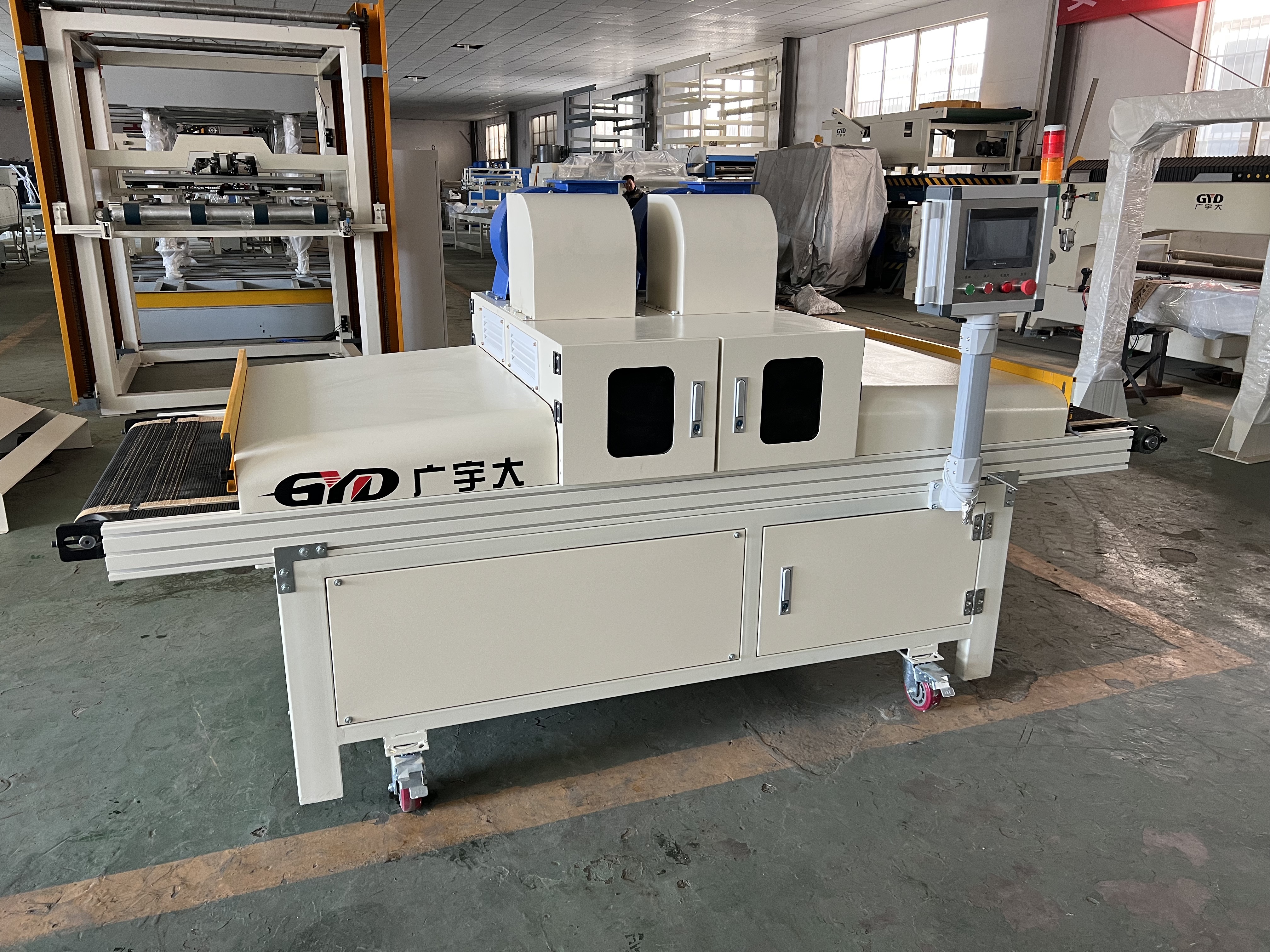
A hot air drying tunnel is an enclosed industrial heating system designed to continuously process materials by exposing them to controlled streams of heated air as they travel through the tunnel on a conveyor system. Unlike batch ovens that process discrete loads, drying tunnels enable continuous flow manufacturing where products enter one end and exit the other after passing through precisely controlled temperature zones. These systems are essential for applications requiring consistent drying conditions, including automotive paint lines, furniture finishing, packaging lamination, textile coating, and printed circuit board manufacturing.
The fundamental principle involves circulating heated air across product surfaces to facilitate evaporation of solvents, water, or other volatile components from applied coatings. The tunnel's enclosed design maintains consistent temperature profiles while preventing heat loss and protecting workers from direct exposure to high-temperature environments. Modern drying tunnels incorporate sophisticated control systems that monitor and adjust temperature, airflow, conveyor speed, and ventilation rates to optimize drying performance while minimizing energy consumption.
Industrial hot air drying tunnels consist of several integrated subsystems that work together to achieve reliable, efficient drying performance. The heating system typically employs electric resistance heaters, gas-fired burners, steam coils, or thermal oil systems to raise process air to required temperatures ranging from ambient to over 300 degrees Celsius depending on the application. Heating capacity must account for the thermal mass of products, evaporation load from coatings, fresh air ventilation requirements, and heat losses through tunnel walls and openings.
Air circulation systems use high-efficiency centrifugal or axial fans to distribute heated air through ductwork and plenums positioned above, below, or around the conveyor path. Adjustable nozzles and dampers enable operators to direct airflow precisely where needed while maintaining uniform temperature distribution across the working width. The exhaust system removes vapor-laden air and introduces controlled fresh air replacement to maintain appropriate humidity levels and, where flammable solvents are present, ensure safe vapor concentrations below explosive limits.
Conveyor systems transport products through the tunnel at controlled speeds, with belt materials, chain drives, or roller configurations selected based on product weight, temperature tolerance, and surface finish requirements. Control systems integrate temperature sensors, airflow monitors, conveyor drives, and safety interlocks to coordinate all tunnel functions while providing operators with real-time process visibility and recipe management capabilities.
Single-pass straight tunnel configurations represent the most common hot air drying tunnel design for linear production layouts where products travel in one direction from entry to exit without changing orientation. These systems feature straightforward construction with heating zones arranged sequentially along the tunnel length, enabling precise temperature profiling as products progress through different drying stages. Single-pass tunnels are ideal for applications requiring consistent exposure times and uniform heating across all products.
The simplicity of single-pass designs offers advantages in maintenance access, operator training, and process troubleshooting. However, these configurations require substantial floor space proportional to the required residence time and conveyor speed. For applications needing extended drying periods or multiple temperature stages, single-pass tunnels may extend 20 to 50 meters or more in length, creating facility layout challenges in space-constrained manufacturing environments.
Multi-pass and serpentine tunnel configurations optimize floor space by routing the conveyor through multiple passes within a compact footprint. Products may travel forward through one heating zone, reverse direction through another, and continue this pattern through several passes before exiting the tunnel. This arrangement enables extended residence times without requiring proportionally longer building spaces, making multi-pass tunnels attractive for facilities with limited available area.
Serpentine designs introduce additional complexity in conveyor engineering, requiring precise transfer mechanisms between passes and careful attention to product orientation and spacing. These systems must accommodate thermal expansion differences between conveyor sections and maintain consistent tension throughout the multi-pass path. Despite increased engineering complexity, multi-pass tunnels can achieve significant space savings while maintaining equivalent drying performance to longer single-pass installations.
Modular tunnel systems consist of standardized sections that can be combined in various configurations to meet specific process requirements. Each module typically includes its own heating elements, fans, and controls, enabling independent temperature and airflow settings for different zones within the overall tunnel. This modularity allows manufacturers to customize drying profiles by adjusting individual zone parameters without affecting adjacent sections.
Zoned tunnel systems excel in applications requiring different thermal treatments at various process stages. For example, an initial zone might provide gentle preheating to prevent solvent flash-off defects, followed by higher-temperature zones for rapid evaporation, and concluding with cooling zones to prepare products for downstream handling. Modular designs also facilitate future expansion or reconfiguration as production requirements evolve, offering long-term flexibility that fixed-design tunnels cannot match.
Hot air drying tunnels primarily rely on convective heat transfer, where heated air molecules contact product surfaces and transfer thermal energy through direct molecular interaction. The rate of heat transfer depends on air temperature, velocity, turbulence, and the temperature difference between the air and product surface. Higher air velocities increase the convective heat transfer coefficient, enabling faster energy delivery to products but potentially causing unwanted surface disturbances in wet coatings.
Boundary layer effects significantly influence drying performance. As air flows across a surface, a thin stagnant layer forms adjacent to the product where heat and mass transfer occur primarily through diffusion rather than convection. Increasing air turbulence disrupts this boundary layer, enhancing both heat transfer and vapor removal from the coating surface. However, excessive turbulence can create uneven drying patterns or disturb delicate wet films, requiring careful optimization of airflow characteristics.
The drying process fundamentally involves mass transfer, where solvent or water molecules transition from liquid to vapor phase and diffuse away from the coating surface. This evaporation rate depends on coating temperature, solvent vapor pressure, air humidity, and the concentration gradient between the coating surface and surrounding air. As solvent concentration in the air increases, the driving force for evaporation decreases, making adequate ventilation essential for maintaining drying efficiency.
Different coating formulations exhibit distinct drying behaviors based on solvent composition, resin chemistry, and film thickness. Fast-evaporating solvents may require gentler initial drying conditions to prevent surface defects, while slower solvents need extended residence times or higher temperatures to achieve complete removal. Understanding these material-specific characteristics enables engineers to design appropriate temperature profiles and airflow patterns that optimize drying without compromising coating quality.
Effective drying requires precise temperature control throughout the tunnel length, with different zones potentially operating at distinct temperatures to accommodate various drying stages. Initial zones often employ lower temperatures to allow gradual solvent release without causing surface defects such as blisters or orange peel. Middle zones typically reach peak temperatures to maximize evaporation rates, while final zones may reduce temperature to prevent overheating or prepare products for cooling.
Modern control systems use distributed temperature sensors positioned throughout the tunnel to monitor actual conditions and adjust heating elements accordingly. Advanced systems incorporate predictive algorithms that anticipate thermal responses based on conveyor speed changes, product load variations, or ambient condition shifts. This proactive control approach maintains consistent drying performance even when production parameters fluctuate, ensuring product quality remains stable across varying operating conditions.
When processing coatings containing flammable solvents, hot air drying tunnels must incorporate specific safety features to prevent explosive atmospheres. The primary concern involves maintaining solvent vapor concentrations below the lower explosive limit throughout the tunnel volume. This requires adequate ventilation rates, typically calculated based on solvent consumption, coating application rates, and the specific solvents' flash points and explosive limits.
Safety standards such as NFPA 86 in the United States and equivalent regulations internationally establish minimum requirements for oven and furnace safety, including ventilation rates, airflow monitoring, and emergency shutdown procedures. Class A ovens, designed specifically for processes releasing flammable volatiles, must include additional safeguards such as solvent concentration monitors, automatic burner shutdown systems, and emergency purge cycles that clear the tunnel atmosphere before restart.
Fire prevention in drying tunnels involves multiple layers of protection, beginning with proper equipment design and continuing through operational procedures and emergency response capabilities. Heating elements must be positioned to prevent direct contact with combustible materials, and electrical systems should incorporate appropriate enclosures and ground-fault protection. Regular maintenance programs should include inspection of heating elements, wiring, and insulation to identify potential ignition sources before they cause problems.
Automatic fire suppression systems provide critical protection when prevention measures fail. These systems typically use clean agent extinguishing materials that do not damage products or equipment while effectively suppressing fires. Detection systems must respond quickly to temperature excursions or flame presence, triggering immediate shutdown of heating systems and activation of suppression equipment. Regular testing and maintenance of these safety systems ensure they function properly when needed most.
Worker safety extends beyond fire and explosion prevention to include protection from heat exposure, moving machinery, and hazardous materials. Tunnel exteriors should maintain safe surface temperatures through adequate insulation and cooling systems, preventing burns from accidental contact. Access doors and maintenance points must incorporate interlocks that prevent operation when opened, protecting workers from moving conveyors or unexpected equipment activation.
Ergonomic considerations include appropriate working heights for loading and unloading stations, clear visibility of product flow, and easy access to control panels. Noise levels from fans and burners should remain within acceptable limits, potentially requiring acoustic enclosures or vibration isolation measures. Comprehensive training programs ensure operators understand both normal procedures and emergency responses, creating a safety-conscious workforce capable of identifying and addressing potential hazards.
The automotive industry represents one of the largest users of hot air drying tunnels, with paint finishing lines requiring precise temperature control to achieve consistent color, gloss, and durability. Vehicle bodies pass through multiple tunnel sections, each optimized for different coating layers including primers, basecoats, and clear coats. The drying process must accommodate complex geometries while maintaining uniform conditions across all surfaces, requiring sophisticated airflow management and temperature profiling.
Transportation applications extend beyond automobiles to include aircraft, rail vehicles, and commercial trucks, each presenting unique challenges based on size, material composition, and coating requirements. Large aircraft components may require custom tunnel configurations with specialized conveyor systems, while rail vehicle finishing demands high-throughput systems capable of processing long, continuous sections. All applications share the common requirement for consistent, repeatable drying performance that meets stringent quality standards.
Packaging manufacturers rely on hot air drying tunnels to cure inks, adhesives, and protective coatings applied to paper, film, and foil substrates. Web-fed printing presses integrate drying tunnels directly into the production line, enabling continuous processing of flexible materials at high speeds. Temperature control must account for substrate sensitivity, as excessive heat can cause dimensional changes or damage to heat-sensitive materials.
Label production, flexible packaging, and corrugated board finishing all utilize drying tunnels with configurations optimized for their specific requirements. Multi-layer packaging structures may require different temperature zones to accommodate various material properties, while high-speed label printing demands rapid drying to prevent ink smearing or offsetting. The versatility of hot air drying technology enables these diverse applications to achieve consistent quality while maintaining production efficiency.
Electronics manufacturing presents unique challenges for drying tunnel applications, requiring precise temperature control and clean processing environments. Printed circuit board production uses drying tunnels to cure solder masks, conformal coatings, and adhesive layers while preventing contamination that could affect electrical performance. Temperature uniformity becomes critical as electronic components may have narrow thermal tolerances that must not be exceeded.
Precision manufacturing applications include medical device production, optical component coating, and semiconductor processing, where even minor temperature variations can affect product performance. These applications often require specialized tunnel designs with enhanced filtration systems, precise temperature control, and clean room compatibility. The investment in high-quality drying equipment pays dividends through improved product yields and reduced rework requirements.
Selecting the appropriate hot air drying tunnel begins with clearly defining production requirements, including throughput targets, product dimensions, coating types, and quality standards. Throughput calculations must account for conveyor speed, product spacing, and required residence time to determine the necessary tunnel length and heating capacity. Future production growth should be considered to avoid premature equipment replacement or costly modifications.
Product dimensions and weight influence conveyor design, tunnel cross-section, and support requirements. Large, heavy products may require reinforced conveyor systems and wider tunnel openings, while small, lightweight items might benefit from multi-tier conveyor arrangements that maximize tunnel utilization. Understanding the full range of products to be processed ensures the selected equipment can handle current and future production needs without compromise.
Energy consumption represents a significant operating expense for hot air drying tunnels, making efficiency a critical selection criterion. Features such as high-efficiency burners, variable frequency drives on fans, and heat recovery systems can substantially reduce energy costs while maintaining performance. Insulation quality, air sealing, and proper maintenance also contribute to overall efficiency by minimizing heat loss and maximizing heat transfer to products.
Life cycle cost analysis should evaluate not only initial equipment costs but also projected energy consumption, maintenance requirements, and expected equipment life. Higher-efficiency systems may carry premium initial costs but often provide attractive returns through reduced operating expenses. Energy modeling tools can help predict performance under various operating scenarios, enabling informed decisions that balance capital investment with long-term operating costs.
Successful tunnel implementation requires careful attention to integration with existing production equipment and facility infrastructure. Conveyor interfaces must align properly with upstream and downstream equipment to prevent product handling issues or production bottlenecks. Utility connections for electricity, gas, compressed air, and exhaust systems should be planned to minimize installation complexity and ongoing maintenance access challenges.
Control system integration enables coordinated operation with other production equipment, facilitating automated recipe changes, production tracking, and quality monitoring. Communication protocols such as Ethernet/IP, Modbus, or proprietary systems should be compatible with existing factory automation infrastructure. Proper integration reduces operator training requirements, minimizes production disruptions, and enables seamless incorporation of the drying tunnel into overall manufacturing processes.
Comprehensive preventive maintenance programs extend equipment life, maintain performance, and prevent unexpected downtime. Regular inspection schedules should cover heating elements, fans, bearings, conveyor components, and control systems, with replacement intervals based on manufacturer recommendations and actual operating conditions. Documentation of all maintenance activities provides valuable history for troubleshooting and helps identify recurring issues before they cause major problems.
Airflow and temperature calibration should be performed periodically to ensure sensors provide accurate readings and control systems respond appropriately. Filter replacement, duct cleaning, and insulation inspection help maintain efficiency and prevent contamination of products. Training maintenance personnel on proper procedures and safety requirements ensures work is performed correctly and safely, reducing the risk of equipment damage or personal injury.
Ongoing process optimization can improve drying performance, reduce energy consumption, and enhance product quality. Statistical process control techniques help identify trends and variations that may indicate developing problems or opportunities for improvement. Regular review of operating parameters against coating supplier recommendations ensures processes remain aligned with material requirements as formulations or production conditions change.
Energy audits can identify opportunities for efficiency improvements, such as optimizing ventilation rates, adjusting temperature profiles, or implementing heat recovery systems. Collaboration with coating suppliers, equipment manufacturers, and industry peers provides access to best practices and emerging technologies that can further enhance performance. A culture of continuous improvement ensures drying operations remain competitive and responsive to changing market demands.
Hot air drying tunnels typically operate between 60 and 300 degrees Celsius, depending on the specific application and coating requirements. Water-based coatings generally require lower temperatures, while solvent-based systems may need higher temperatures for complete evaporation. The optimal temperature profile depends on coating chemistry, substrate material, and desired production speed.
Airflow distribution is optimized through careful design of ductwork, plenums, and nozzle arrangements to ensure uniform temperature and velocity across the product path. Adjustable dampers and variable frequency drives enable fine-tuning of airflow patterns to match specific product requirements. Computational fluid dynamics modeling can predict airflow behavior during the design phase, helping engineers create optimal distributions before equipment fabrication.
Flammable solvent applications require Class A oven certification with features including solvent concentration monitoring, automatic burner shutdown systems, emergency purge cycles, and adequate ventilation rates. Airflow monitoring ensures proper ventilation is maintained, while temperature sensors detect abnormal conditions that could indicate fire hazards. Regular safety system testing and maintenance are essential to ensure these protective features function properly when needed.
Tunnel length calculation involves determining the required residence time based on coating characteristics and desired production speed. The formula considers conveyor speed, product spacing, and necessary drying time to establish minimum tunnel length. Additional length may be added for temperature ramp-up zones, cooling sections, or safety margins to accommodate process variations.
Monthly maintenance should include inspection of heating elements for damage or wear, checking fan operation and bearing condition, verifying temperature sensor accuracy, and examining conveyor components for proper alignment and tension. Air filters should be cleaned or replaced as needed, and control system diagnostics should be run to identify any developing issues. Documentation of all maintenance activities provides valuable history for future troubleshooting and planning.


